Sam Coleman · 4 October 2026
How Provider Transitions Shape Sustained Web Presence in Specialized Markets
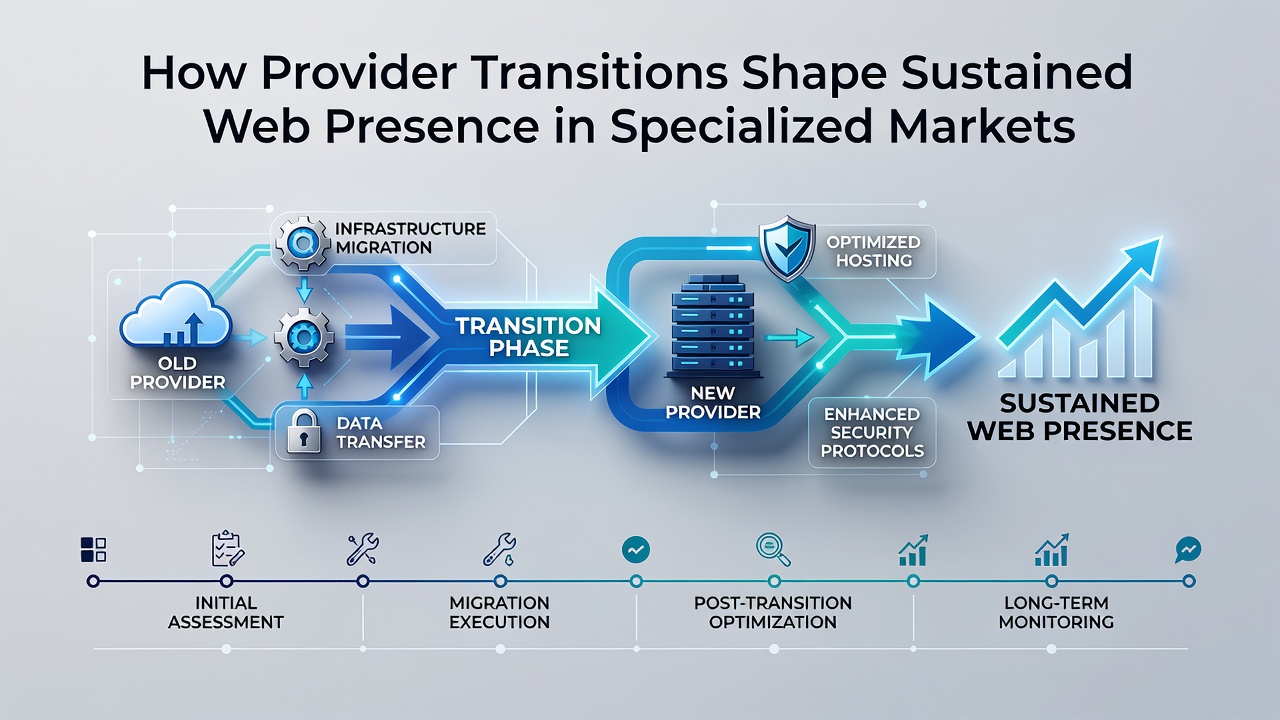
Specialized markets such as precision agriculture equipment suppliers and boutique legal consultancies rely on uninterrupted digital access to maintain client connections and transaction flows, yet shifts between hosting services, domain registrars, or content delivery networks introduce variables that influence long-term site availability and discoverability. These transitions occur when organizations move from one provider to another due to contract expirations, cost adjustments, or feature upgrades, and the process affects everything from server configurations to certificate management.
Core Elements of Provider Changes
Organizations in these sectors handle provider transitions through structured migration plans that include pre-move audits of existing setups, followed by data synchronization across platforms, and post-switch verification of all operational links. Data indicates that such moves often coincide with updates to security protocols and bandwidth allocations, which in turn support consistent performance metrics across user sessions. Researchers at various institutions have tracked how these steps unfold over weeks or months, revealing patterns where incomplete handoffs lead to temporary gaps in content loading or form functionality.
Effects on Operational Continuity
Service interruptions during transitions can stem from mismatched DNS records or delayed propagation of new settings, and these issues compound in markets where peak activity aligns with seasonal demands like harvest periods or fiscal reporting cycles. Evidence from industry monitoring shows that sites experiencing brief downtimes see measurable drops in repeat visitor rates, particularly when specialized content such as product catalogs or case databases becomes inaccessible. Those managing transitions in October 2026 will need to account for emerging compliance frameworks on data portability that take effect that month, which require documented procedures for maintaining record integrity throughout the switch.
What's interesting is how specialized platforms integrate third-party tools for analytics and payment processing, and any provider change demands re-authentication of these integrations to avoid broken workflows. Studies from academic sources highlight cases where organizations in the medical device distribution field completed migrations by staging parallel environments, allowing real-time comparisons of load times and error rates before final cutover.
Market-Specific Considerations
Niche sectors face unique pressures because their audiences often search through narrow channels tied to professional directories or association portals, so any lapse in site responsiveness alters referral patterns from those sources. Figures from the U.S. Department of Commerce reveal that digital infrastructure investments in targeted industries have grown steadily, with provider switches forming a recurring part of scaling efforts for firms handling proprietary data sets. U.S. Department of Commerce reports detail how these adjustments correlate with sustained access when executed with redundant systems in place.
Another layer involves regional regulatory expectations that differ by jurisdiction, and organizations operating across borders must align their transition timelines with local standards on service availability. Data from the Australian Competition and Consumer Commission tracks similar dynamics in specialized retail and service categories, where seamless provider handoffs preserve customer trust indicators measured through engagement logs. Australian Competition and Consumer Commission publications note patterns of reduced friction when pre-transition testing includes simulated user paths across multiple device types.
Adaptation Approaches Observed in Practice
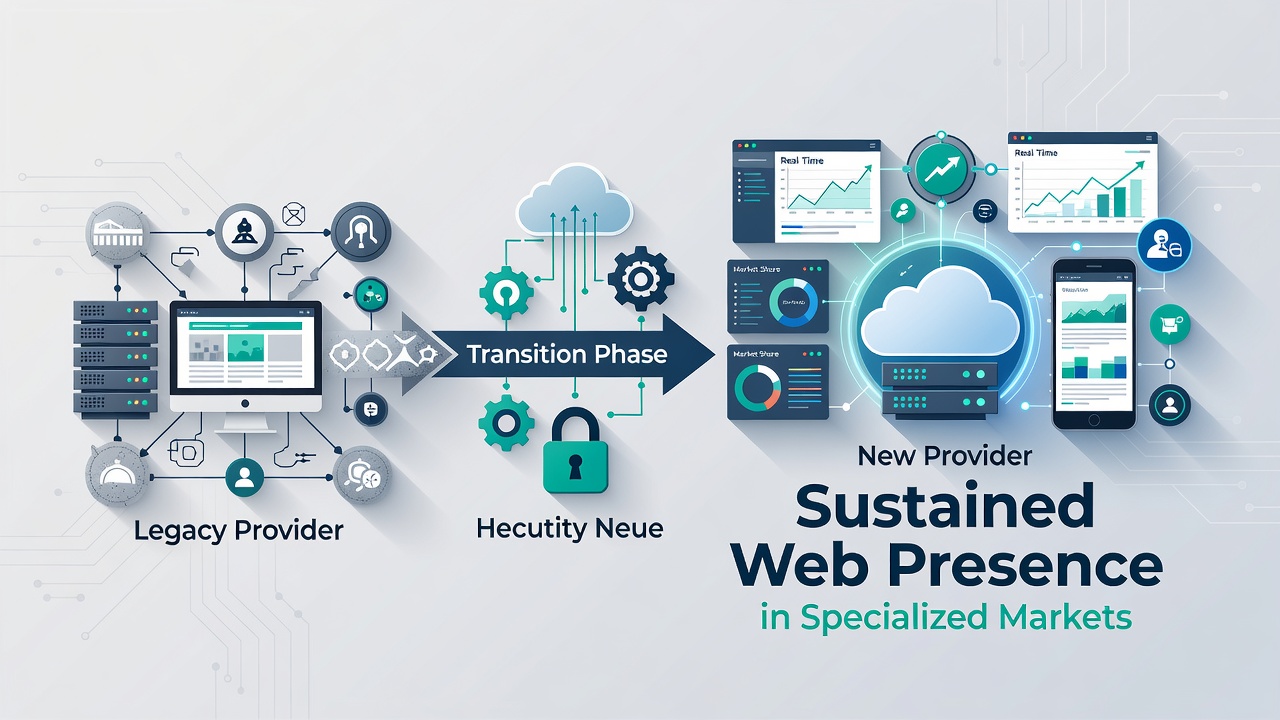
Experts have observed that firms in custom engineering and rare materials trading often employ phased rollouts, beginning with non-critical subdomains before full migration, which allows isolation of any configuration conflicts. This method connects to broader patterns where monitoring dashboards track key indicators like response codes and session durations throughout the process. Observers note that successful cases typically involve cross-team coordination between technical staff and content managers to verify that specialized resources such as downloadable specifications remain intact and indexed correctly.
Turnaround times vary based on the complexity of integrated databases, and those handling high-value transactions prioritize zero-downtime techniques using load balancers during the switch. Research indicates that markets with tight regulatory oversight see higher adoption of these methods, driven by requirements to log every change for audit purposes.
Conclusion
Provider transitions continue to intersect with the demands of sustained web presence in specialized markets through a combination of technical execution and timing considerations, and ongoing developments like the October 2026 compliance updates will add further structure to these processes. Data shows that organizations maintaining detailed migration documentation and verification protocols experience fewer disruptions to their digital operations, while patterns across regions underscore the value of aligning moves with sector-specific operational cycles. These elements together shape how niche entities preserve reliable online access amid evolving service arrangements.